The Science of What's Below Your Floor
And how it affects every room above it.
Research-backed crawlspace energy science for Kansas City and Des Moines homeowners — backed by DOE, EPA, and Advanced Energy data.
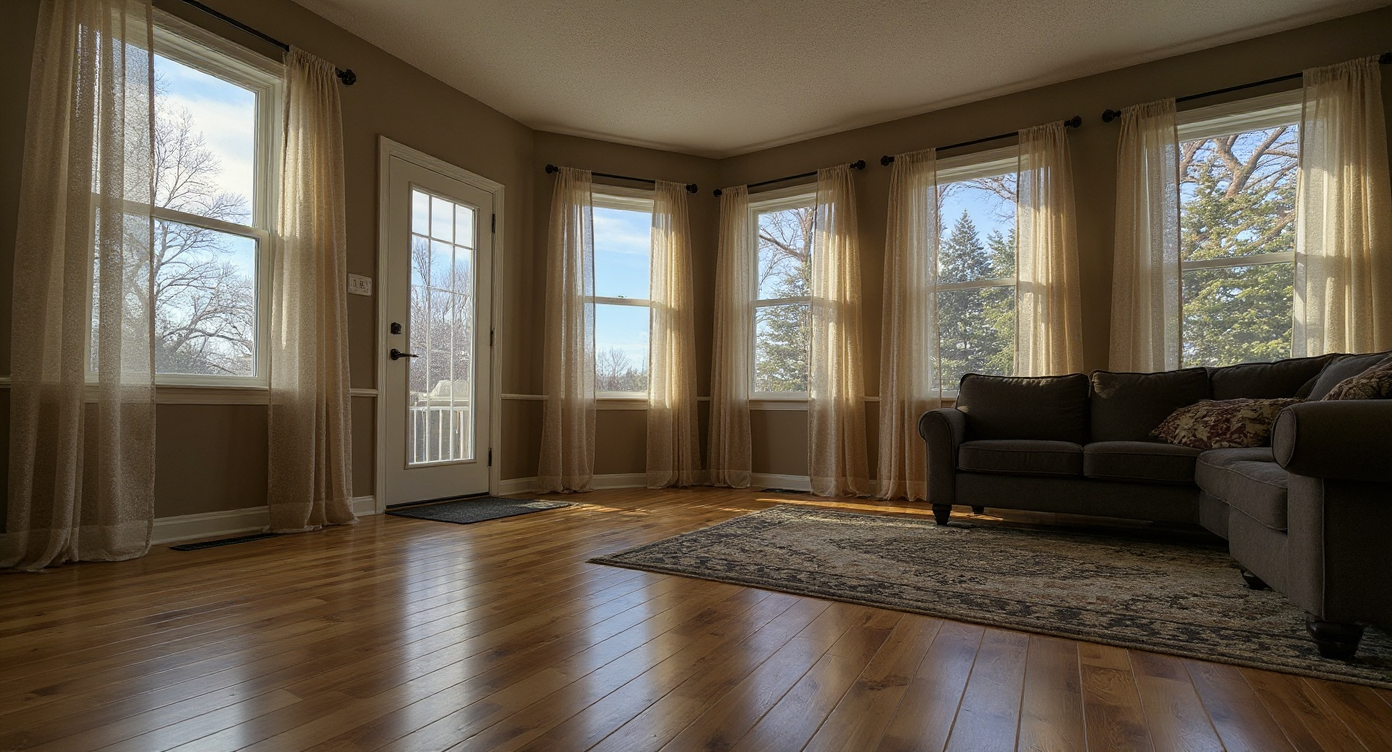
Why Does Your Home Feel the Way It Does?
If your first floor is cold in winter, your energy bills keep climbing, or your home has a persistent musty smell that air fresheners can't mask — the answer probably isn't a new furnace, better ventilation, or more insulation in your attic. The problem is beneath your feet.
Up to half the air on your first floor comes from your crawlspace. That's not an estimate — it's what building science researchers have measured in hundreds of homes across the Midwest. The stack effect, a well-documented pressure dynamic in residential buildings, continuously pulls air from below your floors into every room above.
Contractor sites skip the science and jump straight to "call us for a free estimate." We built this site to do something different — explain why your home feels the way it does, using the same DOE and EPA research that informs professional building science. When you understand the mechanism, you can evaluate any solution with confidence.
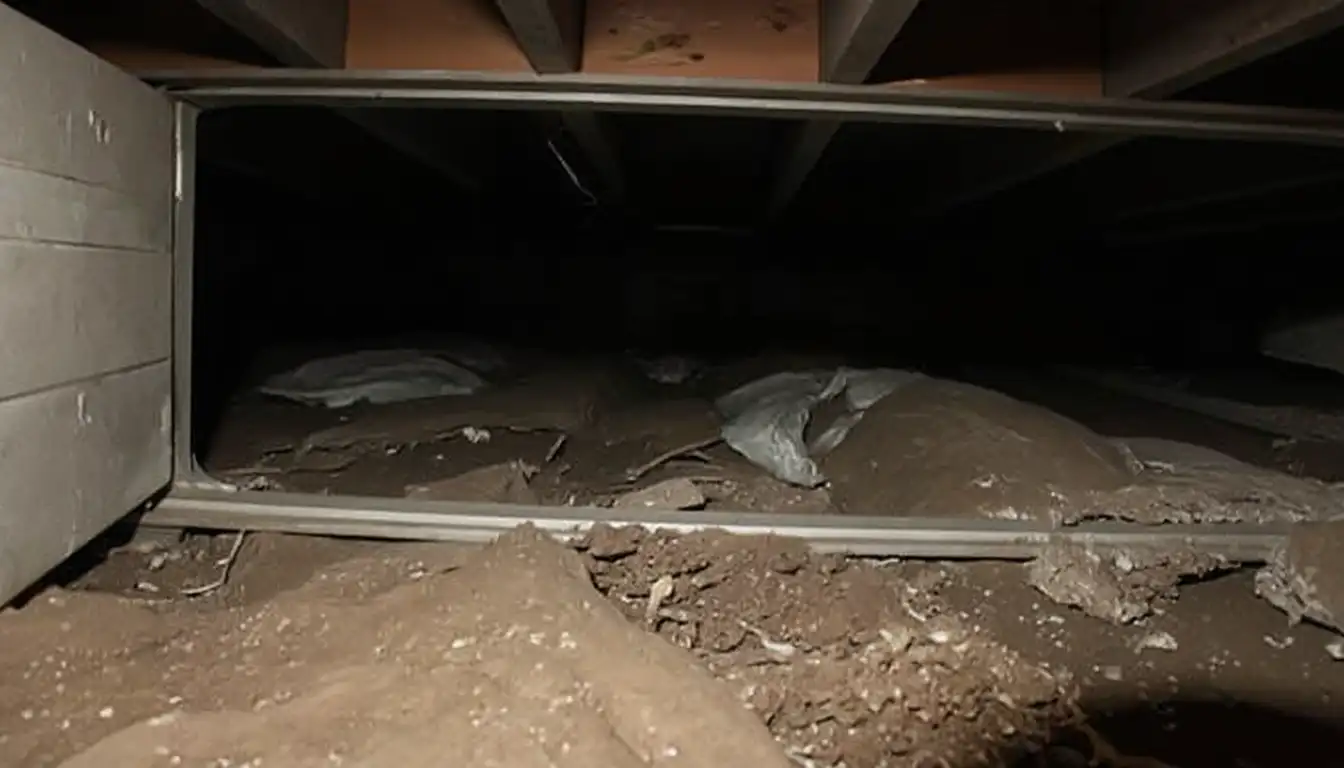
The space beneath your home that most homeowners never see — but that controls comfort, air quality, and energy costs in every room above it.
How Does Your Crawlspace Affect Every Room in Your Home?
Energy Loss
Unsealed crawlspaces waste 10-30% of heating and cooling energy according to DOE research — costing Midwest homeowners hundreds of dollars every year in conditioned air lost through the floor system.
Air Quality
The stack effect pulls crawlspace air — including mold spores, allergens, and moisture — into your living space. In Midwest summers when outdoor humidity reaches 75-85%, unsealed crawlspaces become amplifiers of indoor air quality problems.
Home Comfort
Cold floors, uneven room temperatures, and drafts trace directly to crawlspace conditions. The floor between your living space and crawlspace is the largest uninsulated surface in most homes — and it sets the baseline comfort level for every room above.
What Does the Research Actually Show About Crawlspace Performance?
What Symptoms Are You Experiencing?
Each of these common household problems connects to specific crawlspace conditions. Select a symptom to understand the science behind it.
Cold Floors
Cold floors in winter often trace back to an unsealed crawlspace allowing frigid air to enter beneath your home.
Musty Smell
A persistent musty odor in your home usually signals excess moisture and potential mold growth in the crawlspace below.
Crawlspace Mold
Visible mold on crawlspace joists and surfaces indicates sustained humidity above 60% — a common problem in unsealed crawlspaces.
Sagging or Bouncy Floors
Floors that sag, bounce, or feel soft underfoot may indicate moisture-damaged floor joists in your crawlspace.
High Energy Bills
Unsealed crawlspaces can account for 15% or more of your home's energy loss, driving up heating and cooling costs year-round.
Pest Intrusion
Open crawlspace vents and gaps provide easy access for rodents, insects, and other pests seeking shelter and moisture.
What Are the Research-Backed Solutions?
From targeted moisture control to complete crawlspace encapsulation — each method addresses specific conditions with measurable results.
Full Encapsulation
A complete crawlspace sealing system using heavy-duty vapor barriers, sealed vents, and conditioned air to eliminate moisture and energy loss.
Vapor Barriers
Polyethylene sheeting installed over exposed crawlspace soil to block ground moisture from entering the space.
Dehumidification
Commercial-grade dehumidifiers sized for crawlspace cubic footage to maintain safe humidity levels below 60%.
Insulation Options
Crawlspace insulation strategies including rigid foam, spray foam, and why fiberglass batts fail in humid environments.
Joist Repair & Structural Reinforcement
Sistering, jacking, and replacing moisture-damaged floor joists to restore structural integrity beneath your home.
Encapsulation vs. Vapor Barrier
A side-by-side comparison of full encapsulation and standalone vapor barriers — when each makes sense and what the research shows.
How Much Is Your Crawlspace Costing You?
Use these research-based tools to estimate your home's crawlspace energy waste and mold risk level in minutes.
Energy Leak Calculator
Estimate annual energy waste from your unsealed crawlspace using DOE loss coefficients and your local energy rates.
Calculate your savings →Mold Risk Score
Assess your crawlspace mold risk against research-based humidity and ventilation thresholds in about two minutes.
Check your risk →How Does Your Local Climate Affect Crawlspace Performance?
Crawlspace conditions vary by region. Kansas City's clay soils retain moisture differently than Des Moines' glacial till. Local humidity patterns, frost depth, and housing stock all shape how your crawlspace behaves.
Kansas City Metro
Clay soil moisture retention, 36-inch frost depth, 75-85% summer humidity. Explore how KC-specific conditions affect your crawlspace.
Des Moines Metro
Glacial till ground moisture, 42-inch frost depth, shallow water table at 4-10 feet. See how Iowa conditions create unique crawlspace challenges.
Ready for the Complete Picture?
Our Ultimate Crawlspace Guide walks through everything — from the stack effect physics that connect your crawlspace to every room above, to the research comparing sealed and vented approaches, to a decision framework for choosing the right improvement method.
Read the Ultimate GuideReady to Find Out What's Happening Below Your Floor?
When you're ready for a professional assessment, we can help. Request a crawlspace evaluation →
Who Publishes Crawlspace Energy Institute?
Crawlspace Energy Institute is an independent educational resource focused exclusively on crawlspace science. Every article, tool, and guide is researched and written by Patrick Smith in collaboration with the experienced crawlspace professionals at JLB Foundation Repair, combining published building science research with hands-on field knowledge from thousands of projects.
The content on this site references peer-reviewed research and published government data. We cite the U.S. Department of Energy for energy savings figures, the EPA for indoor air quality standards, and the Advanced Energy sealed crawlspace study for humidity comparison data. Where local climate data informs our analysis, we use NOAA weather station records for Kansas City and Des Moines.
Learn more about the site, its editorial standards, and the research behind our content on our About page.